
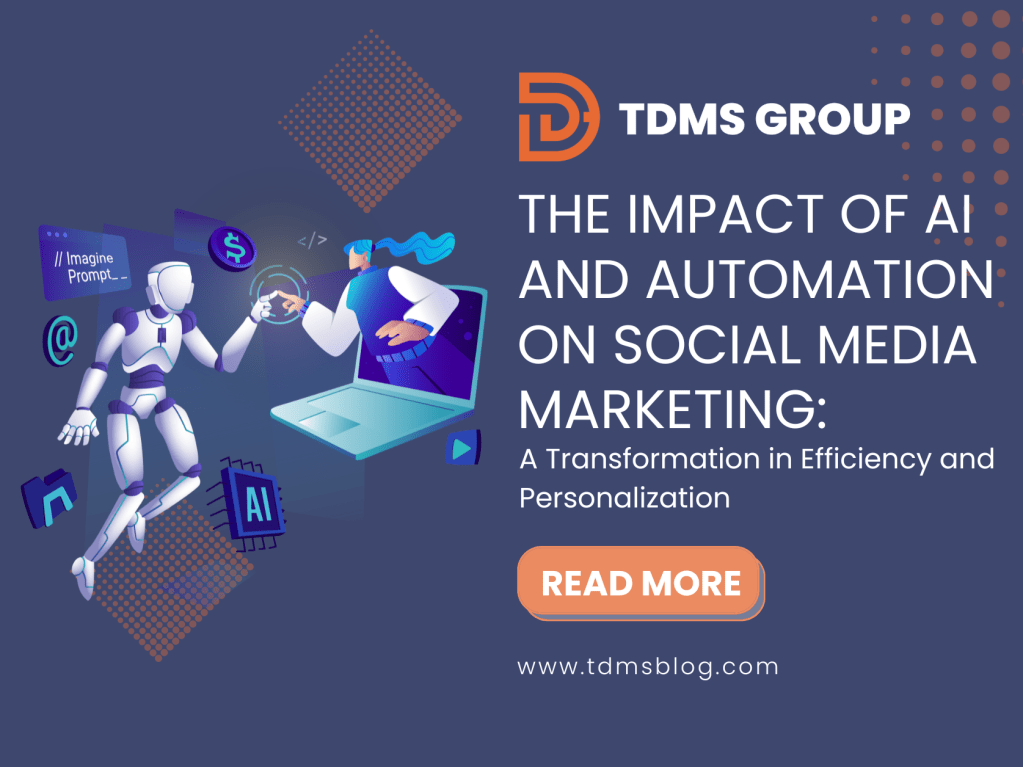
In the dynamic world of social media marketing, staying ahead of the curve is not just a strategy—it’s a necessity. One of the most significant shifts in recent years has been the integration of artificial intelligence (AI) and automation tools into digital marketing strategies. These technologies are not only transforming the way businesses engage with their audiences but also making marketing processes more efficient and personalized than ever before.
The Transformation: Efficiency and Personalization Through AI and Automation
1. Enhanced Content Creation and Curation
AI-powered tools are revolutionizing content creation and curation, allowing businesses to generate high-quality, relevant content at scale. From AI-driven copywriting tools that create engaging social media posts to algorithms that curate content based on trending topics and audience preferences, these technologies enable marketers to maintain a consistent and compelling presence on social media.
Moreover, AI can analyze vast amounts of data to identify what content resonates most with a target audience, optimizing posts for engagement. This means that businesses can tailor their content to the specific needs and interests of their followers, enhancing the overall customer experience.
2. Automated Scheduling and Publishing
Automation tools have streamlined the scheduling and publishing processes, allowing marketers to plan and execute campaigns more efficiently. Platforms like Hootsuite, Buffer, and Sprout Social enable businesses to schedule posts across multiple social media channels, ensuring a steady flow of content without the need for manual intervention.
These tools also provide insights into the best times to post based on audience activity, further optimizing reach and engagement. This level of automation not only saves time but also ensures that content is delivered to the right audience at the right time, maximizing impact.
3. Advanced Audience Targeting and Segmentation
AI has significantly improved the ability to target and segment audiences with precision. Through machine learning algorithms, AI can analyze user behavior, preferences, and demographics to create highly targeted ad campaigns. These algorithms continuously learn and adapt, refining their targeting strategies to ensure that ads are shown to the most relevant audiences.
This level of personalization leads to more effective campaigns, as businesses can deliver tailored messages that resonate with specific segments of their audience. As a result, companies can achieve higher conversion rates and better ROI on their social media marketing efforts.
4. Chatbots and Customer Service Automation
AI-powered chatbots have become a staple in social media marketing, offering instant customer support and engagement. These chatbots can handle a wide range of tasks, from answering frequently asked questions to guiding users through the purchase process. By automating customer service, businesses can provide immediate assistance, improve response times, and enhance customer satisfaction.
Additionally, chatbots can collect valuable data on customer interactions, which can be used to refine marketing strategies and further personalize communication.
5. Predictive Analytics and Data-Driven Insights
One of the most powerful applications of AI in social media marketing is predictive analytics. By analyzing historical data, AI can forecast future trends, customer behaviors, and campaign outcomes. This allows businesses to make data-driven decisions, optimize their marketing strategies, and anticipate market shifts.
Predictive analytics can also help identify potential issues before they arise, enabling marketers to proactively adjust their campaigns to avoid pitfalls and capitalize on emerging opportunities.
Implementing AI and Automation in Social Media Strategies
To fully leverage the benefits of AI and automation, businesses need to thoughtfully integrate these tools into their social media and digital marketing strategies. Here are some steps to consider:
1. Start with a Clear Strategy
Before implementing AI and automation tools, businesses should have a clear understanding of their marketing goals and objectives. This will help in selecting the right tools and technologies that align with their specific needs. Whether the goal is to increase brand awareness, drive sales, or improve customer engagement, a well-defined strategy will guide the successful integration of AI and automation.
2. Choose the Right Tools
There are numerous AI and automation tools available, each offering different features and capabilities. Businesses should evaluate these tools based on their specific requirements, such as content creation, audience targeting, or customer service. It’s important to choose tools that are user-friendly, scalable, and compatible with existing marketing platforms.
3. Train Your Team
Implementing AI and automation tools requires a certain level of expertise. Businesses should invest in training their marketing teams to effectively use these technologies. This includes understanding how to interpret data insights, manage automated campaigns, and troubleshoot any issues that may arise.
4. Monitor and Optimize
AI and automation tools are not set-and-forget solutions. Continuous monitoring and optimization are essential to ensure that these tools are delivering the desired results. Businesses should regularly review performance metrics, gather feedback, and make necessary adjustments to their strategies.
5. Maintain a Human Touch
While AI and automation can handle many aspects of social media marketing, maintaining a human touch is crucial. Personal interactions, authentic communication, and creative storytelling are aspects of marketing that technology cannot fully replicate. Businesses should strike a balance between automation and human engagement to create meaningful connections with their audience.
Conclusion
AI and automation are undoubtedly transforming social media marketing, offering unprecedented opportunities for efficiency and personalization. By integrating these technologies into their strategies, businesses can enhance their marketing efforts, deliver more relevant content, and build stronger relationships with their customers. However, successful implementation requires careful planning, the right tools, and a commitment to continuous optimization. As AI continues to evolve, businesses that embrace these technologies will be well-positioned to thrive in the ever-changing digital landscape.




 Elevate Your Brand With Digital Marketing!
Leave a comment